
Behavior Learning Learning Normal Equipment Behavior
ChronX analyzes historical operational data to learn normal equipment behavior and build behavioral models that detect anomalies, instability, and early warning signs of failure.
OVERVIEW

Understanding Equipment Behavior Through Data
Industrial equipment operates under different loads, operating conditions, and environments. Equipment behavior changes depending on production levels, temperature, pressure, and operating modes.
Instead of using fixed thresholds, ChronX learns how equipment normally behaves under different operating conditions. The system analyzes historical operational data and builds behavioral models that represent normal equipment operation.
These behavioral models allow ChronX to detect abnormal behavior even when values are still within normal limits.
HISTORICAL DATA ANALYSIS Title
Historical Data Analysis

ChronX analyzes historical operational data to understand how equipment behaves under normal conditions. Historical data may include weeks or months of operational data.
The system analyzes:
• Operating ranges
• Load conditions
• Operating modes
• Signal patterns
• Seasonal patterns
• Equipment performance patterns
• Signal relationships
• Stability patterns
This historical analysis is used to build behavioral models.
LEARNING OPERATING PATTERNS
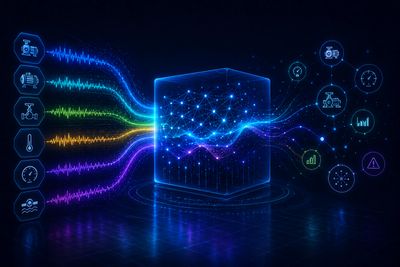
Learning Operating Patterns
Industrial equipment operates in different modes such as startup, shutdown, idle, low load, and high load conditions. Equipment behavior is different in each operating mode.
ChronX identifies and learns operating patterns such as:
• Startup behavior
• Shutdown behavior
• Normal production behavior
• High load operation
• Low load operation
• Idle operation
• Transient conditions
Learning operating patterns allows ChronX to compare equipment behavior correctly under different conditions.
SIGNAL RELATIONSHIPS AND CORRELATIONS
Signal Relationships and Correlations
Equipment behavior is not defined by a single signal. Equipment behavior is defined by relationships between multiple signals such as temperature, pressure, vibration, flow, and current.
ChronX analyzes relationships between signals and learns how signals behave together under normal conditions.
Examples:
• Temperature increases when load increases
• Current increases when pressure increases
• Vibration increases when speed increases
Changes in signal relationships often indicate developing problems.

MODEL TRAINING PROCESS

Model Training Process
Machine learning models are trained using prepared and normalized historical datasets. The training process allows the model to learn patterns and relationships in the data.
Model training includes:
• Training using historical datasets
• Learning signal relationships
• Learning operating patterns
• Learning behavior patterns
• Learning normal system dynamics
• Creating behavior models
After training, the model understands normal equipment behavior.
MODEL VALIDATION
Model Validation
After model training, the model is validated to ensure it correctly represents normal equipment behavior.
Model validation ensures:
• Model detects anomalies correctly
• Model does not generate false alarms
• Model represents normal operation accurately
• Model works under different operating conditions
• Model performance is reliable

BEHAVIOR MODEL OUTPUT
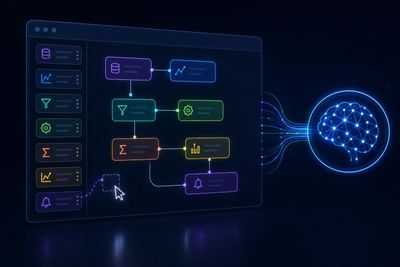
Behavior Model Output
After behavior learning, ChronX produces behavioral models that represent normal equipment operation.
Behavior models are used for:
• Anomaly detection
• Failure prediction
• Performance monitoring
• Operational optimization
• Stability monitoring

Learn How ChronX Understands Equipment Behavior
See how ChronX behavioral models detect anomalies and predict failures before they occur.